Wooden Architecture and Arctic Landscapes of Scandinavia
This is a contributed article.
Scandinavia often arrives as a simplified image, clean lines, pale timber, open land, but the lived reality feels less resolved. Wood ages unevenly. Weather leaves visible marks. Light behaves differently from month to month, sometimes from hour to hour. What connects the region is not uniformity, but a quiet acceptance of exposure: to climate, to time, to repeated use.
Wooden buildings and Arctic landscapes are not treated as separate categories here. They lean into one another. Architecture responds to cold and light without dramatizing the response. Settlements sit where they can rather than where they should. Moving through the region, you begin to notice how often construction, environment, and daily habit overlap without needing explanation.
Movement That Extends Awareness
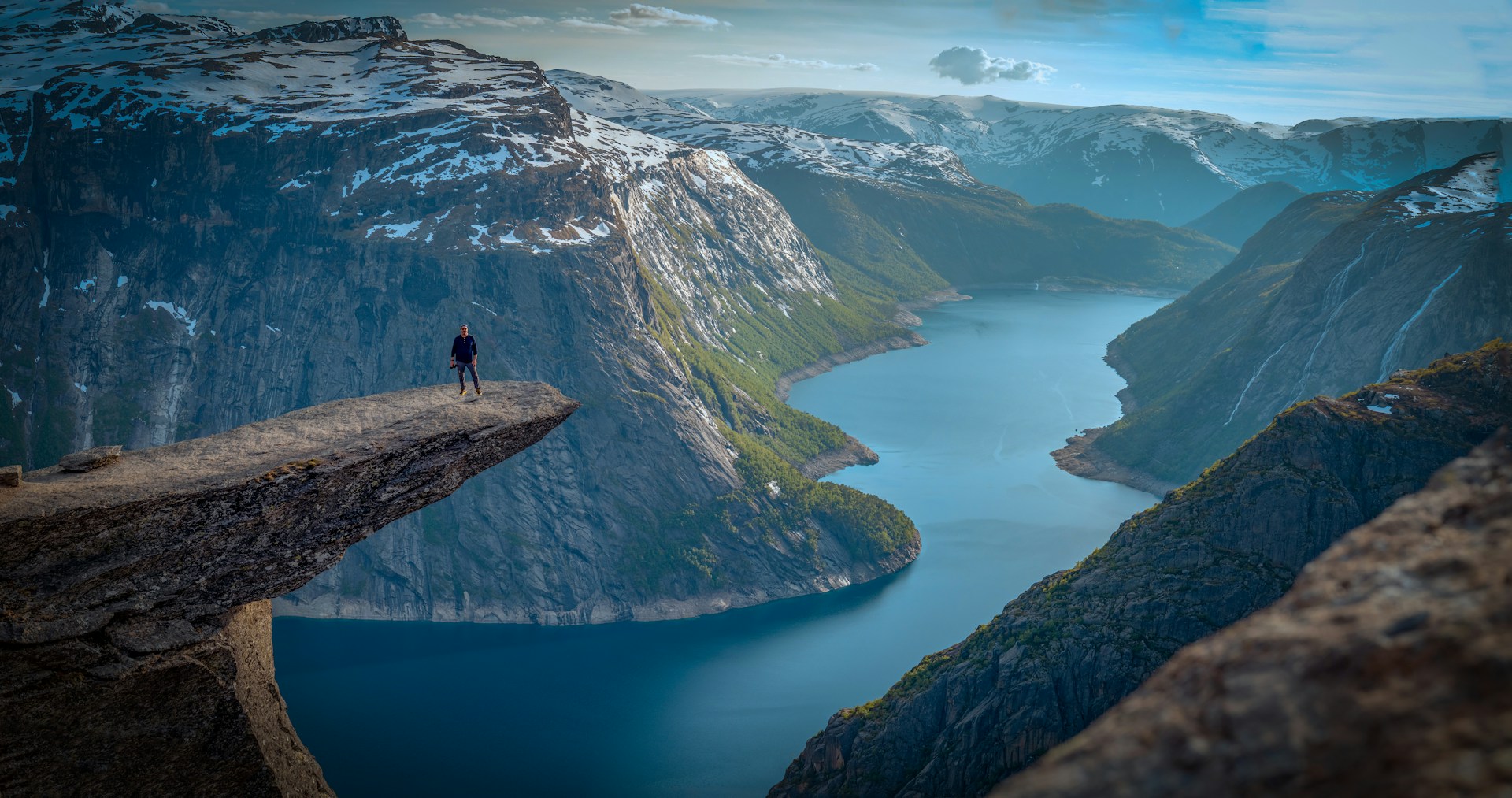
Travel through the region tends to feel continuous rather than segmented. Roads, rail lines, and coastlines unfold gradually, allowing landscape to remain dominant.
People drawn to tours to Norway often speak less about specific stops and more about the feeling of passing through, forests thinning, mountains appearing without warning, settlements emerging briefly, then receding again.
Movement here reinforces attention instead of redirecting it.
Wood Used Before It Is Designed
Across Scandinavia, wood appears first as a solution, not a statement. Homes, storage buildings, and public structures rely on it because it holds warmth, allows repair, and ages visibly. The material feels chosen through familiarity rather than intention.
Layers of paint remain. Grain shows through. Adjustments are made incrementally rather than replaced entirely. Buildings feel altered rather than renovated, shaped by small decisions repeated over time.
This openness to change gives architecture a sense of continuity without preservation.
Settlements That Follow Shelter
Towns and villages rarely impose themselves on the landscape. They gather near water, lean into slopes, and cluster where trees break wind. Streets curve slightly. Corners soften. Scale remains modest even where space is abundant.
Arctic conditions discourage symmetry. They reward proximity and efficiency. You notice how entrances turn away from exposure, how windows frame light carefully, how roofs feel heavy without looking imposing.
Architecture responds quietly, before it announces anything at all.
Travel Without Compression
Journeys across Scandinavia rarely feel hurried. Whether by road, rail, or water, movement remains steady and measured.
Those exploring broader Scandinavia trip packages often notice how little emphasis is placed on speed. Time stretches laterally. Experience accumulates without pressure.
Arrival feels like a continuation rather than a completion.
Landscape That Slows Without Resistance
Arctic landscapes alter your sense of time. Distances feel longer than expected. Movement becomes deliberate without feeling constrained. Silence thickens rather than empties.
Snow absorbs sound. Water reflects light unevenly. Weather moves across open land without obstruction. The environment doesn’t demand attention, but it doesn’t allow haste either.
You begin to notice how often you pause without deciding to.
Cities That Keep Wood Visible
Even in larger Scandinavian cities, wood remains present. Older districts retain timber façades. Newer buildings echo the material through proportion and restraint rather than imitation.
Architecture avoids excess. Surfaces remain plain. Function stays visible. Buildings seem content to occupy space without insisting on recognition.
Urban life continues without ornament.
Light as a Constant Variable
Light shapes everything. In winter, it arrives briefly and directionally. In summer, it lingers beyond expectation. Architecture adapts through narrow frames, angled surfaces, and pale finishes that respond differently as conditions shift.
Wood absorbs and reflects light unevenly. Interiors feel warm without feeling enclosed. Exteriors change tone subtly with weather and season.
Design here anticipates variation rather than permanence.
Vast Land, Close Living
One of the region’s quiet tensions is how expansive landscapes coexist with compact habitation. Outside, land stretches openly. Inside towns, life gathers closely.
This balance reduces isolation without reducing scale. You feel both sheltered and exposed, sometimes within the same afternoon.
The region does not resolve this contradiction. It accommodates it.
Buildings That Age in Public
Wooden architecture does not hide age. Paint fades. Repairs remain visible. Surfaces darken where weather reaches them first.
This openness to wear gives structures character without nostalgia. Maintenance replaces restoration. The past remains present because it continues to function.
Time is allowed to show itself.
Landscape as Everyday Reference
Arctic scenery is not reserved for special moments. It frames routine. People walk, work, and wait against backdrops of forest, water, and sky.
Views appear between buildings. Horizons widen suddenly. Nature asserts itself quietly, without spectacle.
The land becomes familiar rather than dramatic.
What Lingers Without Explanation
Later, what stays with you is not a catalogue of structures or vistas. It is the sense of materials responding to place, wood holding warmth, buildings leaning into terrain, light reshaping space daily.
Scandinavia does not separate architecture from landscape. It allows them to age together through use.
The result is not a finished image, but an environment that continues quietly, shaped by habit rather than display, steady enough to remain even when attention moves elsewhere.
Like My Money Chronicles? Add us as a Preferred Source on Google to see more of our content in your search results.