How to Use an Laptop Screen Extender for Monitoring Cryptocurrency and Stock Prices
Share This With Friends
This is a contributed post.
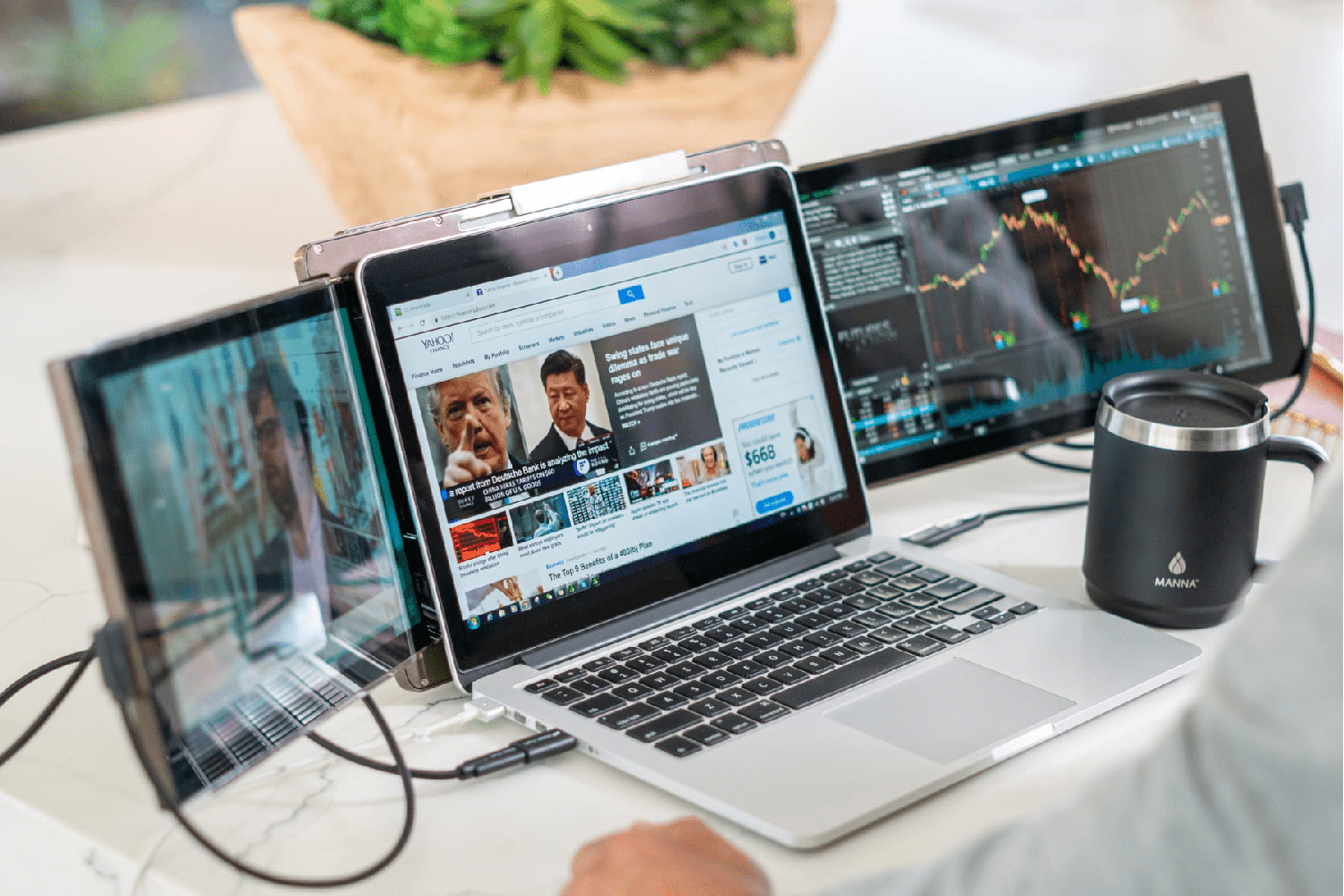
A single laptop screen often feels far too small for the needs of a modern retail trader. You are forced to flip between your broker and your complex technical charts every few seconds. This constant jumping between tabs leads to missed trade entries and heavy mental fatigue during the day. Using a laptop screen extender solves this issue by giving you a dedicated physical space for your data.
Having a second display lets you keep an eye on the most volatile price movements. You can monitor your favorite crypto pairs while executing trades on your primary laptop screen. This physical separation of tasks helps you stay organized and reduces the risk of making errors. If you are serious about your portfolio, consider the Mobile Pixels Trio laptop screen extender. It is a highly portable solution that turns any coffee shop into a professional-grade trading floor.
How to Build a Custom Layout for Your Real-Time Market Analysis?
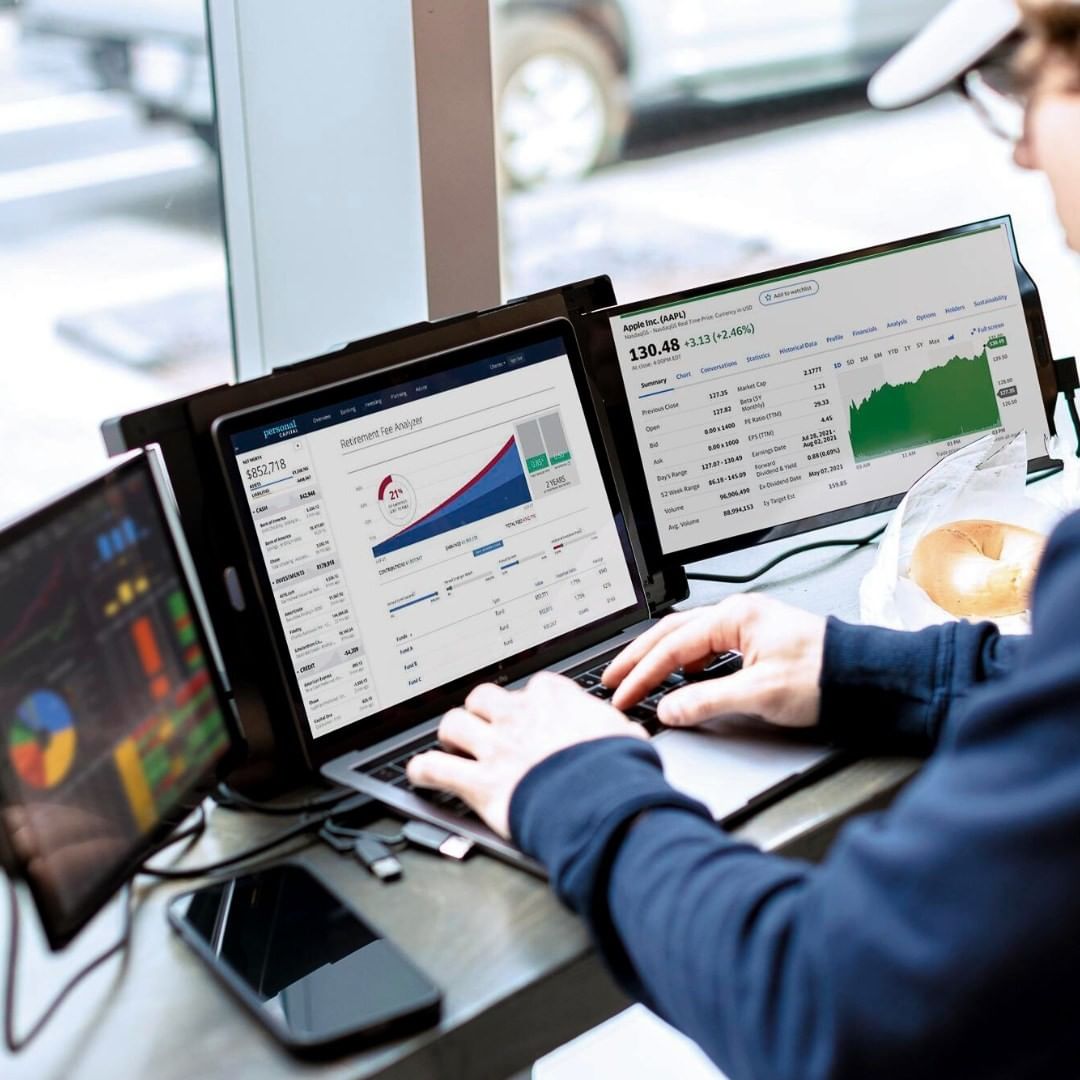
The key to a successful multi-screen setup is assigning a specific job to each display. Professional traders often use their main laptop screen for order entry and position management. This ensures that your buy and sell buttons are always accessible for quick execution. You can then move your technical analysis tools over to your laptop screen extender for continuous viewing. This layout creates a much more intuitive workflow for your daily crypto or stock research.
What Should You Keep on Your Second Screen?
Many successful investors utilize their extra screen real estate to track multiple timeframes simultaneously. Let’s assume you can view a 5-minute chart for entry signals and a daily chart for trend analysis. Keep a live news ticker or a social media feed open nearby. In the fast-moving world of crypto, a single headline can shift the market in seconds. Seeing the news immediately gives you a significant advantage over traders who use only a single small display.
Why Fast Reaction Times are Essential for Success in Volatile Trading Markets?
Success in day trading often comes down to how fast you can react to new information. When a stock hits a specific price target, you need to see it happen in real-time. A laptop screen extender ensures that your important alerts are never buried under other open windows. You can keep your scanners running on the side to find new potential trade setups instantly. This continuous monitoring helps you maintain a much higher level of focus throughout the entire day.
Reducing Cognitive Load and Digital Clutter
Your brain has a limited amount of bandwidth to process complex financial information every day. Staring at a cluttered screen with overlapping windows can lead to decision paralysis or heavy stress. Spreading your tools across two screens makes the data feel much more manageable and digestible. You will find that you are less likely to feel overwhelmed during periods of extreme market volatility. A clear, organized workspace leads to more disciplined, profitable trading decisions over time.
Adding a second display is one of the best investments a modern trader can make, as it protects your physical health by improving your posture and reducing eye strain during long sessions. More importantly, it provides the visual clarity required to succeed in today’s fast-paced global financial markets. You can work with more confidence knowing that you have a complete view of your entire portfolio. Start building your ultimate mobile trading station today to take your investing to the next level.
Like My Money Chronicles? Add us as a Preferred Source on Google to see more of our content in your search results.

Jason Butler is the founder of My Money Chronicles and an SEO consultant with over a decade of blogging experience. Since 2015, he has earned income through side hustles including blogging, eBay flipping, affiliate marketing, and freelance work while paying off over $64,000 in debt. His work has been featured in Forbes, Discover, Investopedia, and Yahoo Finance.
- Jason Butler
- Jason Butler
- Jason Butler
- Jason Butler
- Jason Butler
- Jason Butler
- Jason Butler
- Jason Butler
- Jason Butler
- Jason Butler
- Jason Butler
- Jason Butler
- Jason Butler
- Jason Butler
- Jason Butler
- Jason Butler
- Jason Butler
- Jason Butler
- Jason Butler
- Jason Butler
- Jason Butler
- Jason Butler
- Jason Butler
- Jason Butler
- Jason Butler
- Jason Butler
- Jason Butler
- Jason Butler
- Jason Butler
- Jason Butler
- Jason Butler
- Jason Butler
- Jason Butler
- Jason Butler
- Jason Butler
- Jason Butler
- Jason Butler
- Jason Butler
- Jason Butler
- Jason Butler
- Jason Butler
- Jason Butler
- Jason Butler
- Jason Butler
- Jason Butler
- Jason Butler
- Jason Butler
- Jason Butler
- Jason Butler
- Jason Butler
- Jason Butler
- Jason Butler
- Jason Butler
- Jason Butler
- Jason Butler
- Jason Butler
- Jason Butler
- Jason Butler
- Jason Butler
- Jason Butler
- Jason Butler
- Jason Butler
- Jason Butler
- Jason Butler
- Jason Butler
- Jason Butler
- Jason Butler
- Jason Butler
- Jason Butler
- Jason Butler
- Jason Butler
- Jason Butler
- Jason Butler
- Jason Butler
- Jason Butler
- Jason Butler
- Jason Butler
- Jason Butler
- Jason Butler
- Jason Butler
- Jason Butler
- Jason Butler
- Jason Butler
- Jason Butler
- Jason Butler
- Jason Butler
- Jason Butler
- Jason Butler
- Jason Butler
- Jason Butler
- Jason Butler
- Jason Butler
- Jason Butler
- Jason Butler
- Jason Butler
- Jason Butler
- Jason Butler
- Jason Butler
- Jason Butler
- Jason Butler
- Jason Butler
- Jason Butler
- Jason Butler
- Jason Butler
- Jason Butler
- Jason Butler
- Jason Butler
- Jason Butler
- Jason Butler
- Jason Butler
- Jason Butler
- Jason Butler
- Jason Butler
- Jason Butler
- Jason Butler
- Jason Butler
- Jason Butler
- Jason Butler
- Jason Butler
- Jason Butler
- Jason Butler
- Jason Butler
- Jason Butler
- Jason Butler
- Jason Butler
- Jason Butler
- Jason Butler
- Jason Butler
- Jason Butler
- Jason Butler
- Jason Butler
- Jason Butler
- Jason Butler
- Jason Butler
- Jason Butler
- Jason Butler
- Jason Butler
- Jason Butler
- Jason Butler
- Jason Butler
- Jason Butler
- Jason Butler
- Jason Butler
- Jason Butler
- Jason Butler
- Jason Butler
- Jason Butler
- Jason Butler
- Jason Butler
- Jason Butler
- Jason Butler
- Jason Butler
- Jason Butler
- Jason Butler
- Jason Butler
- Jason Butler
- Jason Butler
- Jason Butler
- Jason Butler
- Jason Butler
- Jason Butler
- Jason Butler
- Jason Butler
- Jason Butler
- Jason Butler
- Jason Butler
- Jason Butler
- Jason Butler
- Jason Butler
- Jason Butler
- Jason Butler
- Jason Butler
- Jason Butler
- Jason Butler
- Jason Butler
- Jason Butler
- Jason Butler
- Jason Butler
- Jason Butler
- Jason Butler
- Jason Butler
- Jason Butler
- Jason Butler
- Jason Butler
- Jason Butler
- Jason Butler
- Jason Butler
- Jason Butler
- Jason Butler
- Jason Butler
- Jason Butler
- Jason Butler
- Jason Butler
- Jason Butler
- Jason Butler
- Jason Butler
- Jason Butler
- Jason Butler
- Jason Butler
- Jason Butler
- Jason Butler
- Jason Butler
- Jason Butler
- Jason Butler
- Jason Butler
- Jason Butler
- Jason Butler
- Jason Butler
- Jason Butler
- Jason Butler
- Jason Butler
- Jason Butler
- Jason Butler
- Jason Butler
- Jason Butler
- Jason Butler
- Jason Butler
- Jason Butler
- Jason Butler
- Jason Butler
- Jason Butler
- Jason Butler
- Jason Butler
- Jason Butler
- Jason Butler
- Jason Butler
- Jason Butler
- Jason Butler
- Jason Butler
- Jason Butler
- Jason Butler
- Jason Butler
- Jason Butler
- Jason Butler
- Jason Butler
- Jason Butler
- Jason Butler
- Jason Butler
- Jason Butler
- Jason Butler
- Jason Butler
- Jason Butler
- Jason Butler
- Jason Butler
- Jason Butler
- Jason Butler
- Jason Butler
- Jason Butler
- Jason Butler
- Jason Butler
- Jason Butler
- Jason Butler
- Jason Butler
- Jason Butler
- Jason Butler
- Jason Butler
- Jason Butler
- Jason Butler
- Jason Butler
- Jason Butler
- Jason Butler
- Jason Butler
- Jason Butler
- Jason Butler
- Jason Butler