Venice’s Squares and the Cultural Rhythms of Madrid
This is a contributed post.
Some cities explain themselves through monuments. Others reveal more through repetition, the routes people take each day, the spaces that slow them down without instruction, the way sound and movement settle into patterns. Venice and Madrid sit far apart geographically, yet both are shaped by public space that remains active rather than preserved. Squares, streets, and gathering places continue to do their quiet work, holding daily life together without spectacle.
Moving between these cities, what changes is not intensity but cadence. Venice asks you to adjust your pace through constraint and proximity. Madrid opens outward, allowing rhythm to build through visibility and motion. Neither approach replaces the other. They simply operate at different speeds.
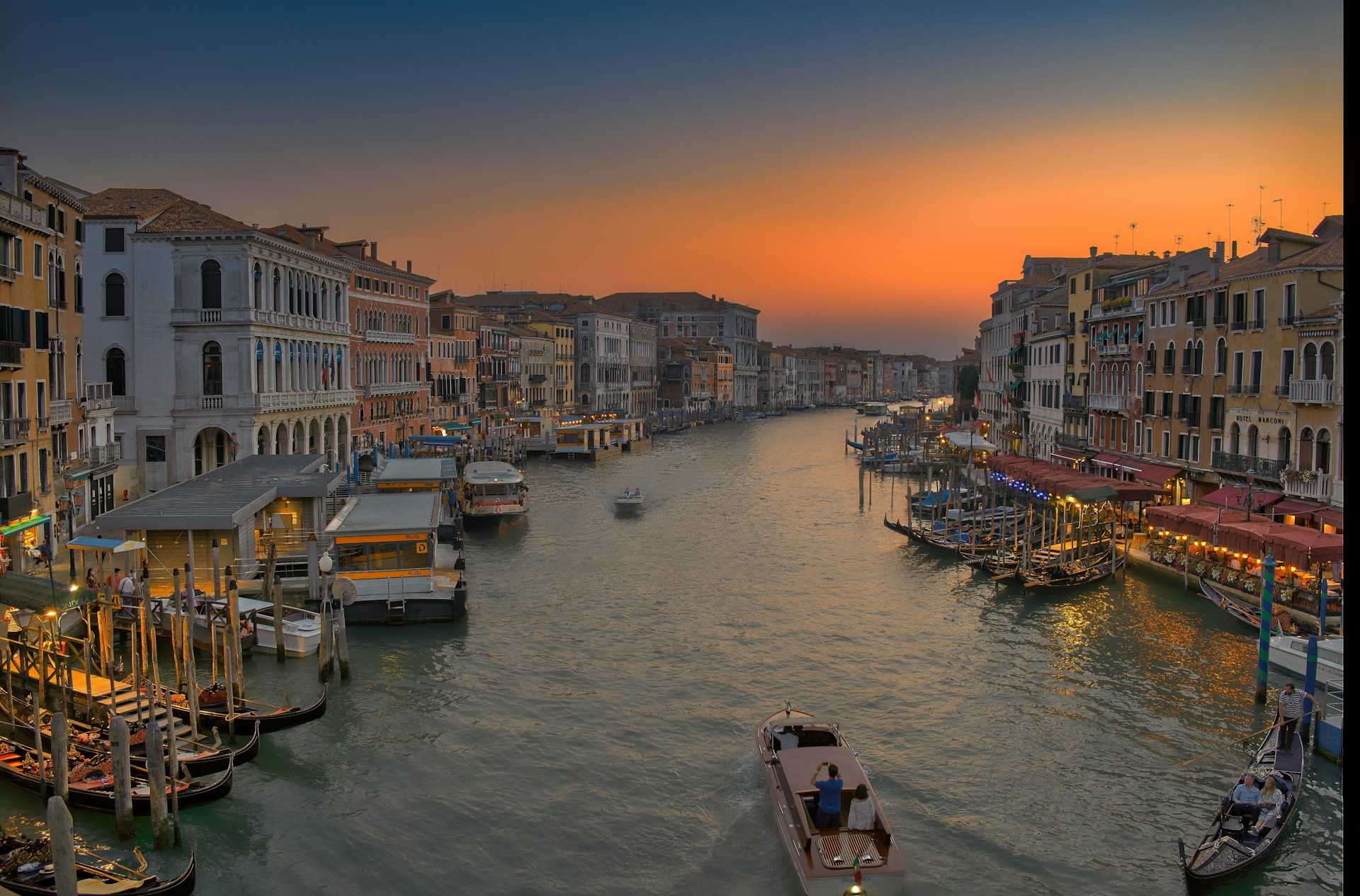
Venice and the Shape of the Square
Venice does not use squares the way most cities do. They are not framed by traffic or arranged for efficiency. They appear unexpectedly, opening out from narrow passages and closing again just as quickly.
In Venice, a square feels less like a destination and more like a shared pause. People cross them diagonally. Children move freely. Conversations happen standing, without urgency. Nothing suggests that you should stay, yet nothing pushes you onward.
These spaces work because they interrupt movement gently.
Piazza as Everyday Ground
What’s striking is how ordinary Venice’s squares feel despite their setting. Laundry hangs above them. Deliveries pass through. Locals linger briefly, then continue on their way.
Visitors often encounter these places while joining tours to Venice, but the square itself does not perform. It remains in use regardless of who is watching. The city does not adapt its rhythm for attention.
The square exists because it is needed.
Constrained Space, Loosened Time
Venice’s narrow streets funnel people into shared moments. You slow down because there is no alternative. Passing requires cooperation. Pausing feels natural.
Time stretches slightly in these conditions. Not enough to feel idle, but enough to notice small details, a sound echoing, footsteps on stone, a conversation drifting across open space.
The city teaches attention through limitation.
Leaving Venice Without a Clear Exit
Departure does not feel decisive. You leave one square, then another. Streets narrow again. Water replaces pavement. The rhythm carries forward longer than expected.
Venice lingers not through memory of sights, but through the way it altered your pace.
You move on, still walking slowly.
Madrid and the Language of Openness
Madrid presents itself differently. Space expands. Streets widen. Squares announce themselves clearly and remain visible from multiple directions.
In Madrid, public life is meant to be seen. Cafés spill outward. Chairs face the centre. People gather without appearing to wait for anything in particular.
Movement here feels confident rather than cautious.

Movement That Reinforces Connection
Travel reinforces this sense of flow. Routes such as the train from Seville to Madrid carry a similar rhythm forward, purposeful without pressure, steady without spectacle.
Inside the carriage, people rest or talk quietly. Arrival does not disrupt the tone. It extends it.
Movement feels like part of the same pattern rather than a break from it.
Squares as Social Anchors
Madrid’s plazas function as meeting points rather than pauses. People arrive with intention, linger, then stay longer than planned. Conversations overlap. Sound carries.
The square absorbs energy without becoming chaotic. It holds crowds easily, shaped by habit rather than design.
You sense that these spaces have learned how to host life repeatedly.
Rhythm That Builds Through Presence
What defines Madrid is consistency. Streets fill at predictable times. Squares pulse with activity, then soften, then fill again.
This rhythm feels practiced. The city does not rush itself. It allows momentum to build through repetition rather than urgency.
Public space here sustains continuity.
Density Without Confinement
Madrid holds people together without compressing them. Streets allow for detours. Squares offer release. You can move quickly or not at all.
This flexibility makes the city feel usable. Nothing insists on a single pace.
Life unfolds visibly, but not aggressively.
Two Cities, Different Pressures
Venice shapes behaviour through constraint. Madrid shapes it through openness. One narrows movement until attention sharpens. The other widens space until rhythm takes over.
Neither approach dominates. Each suits its environment.
Together, they reveal how public space adapts to geography and habit rather than ideology.
Adjustments You Notice Later
Only afterward do these differences surface clearly. You realise how slowly you walked in Venice. How easily you lingered in Madrid.
These changes didn’t feel deliberate at the time. They happened quietly, guided by space rather than intention.
The cities taught you without instruction.
What Remains After Passing Through
Later, what stays with you is not a checklist of squares or routes. It’s the sensation of shared ground, places where life continued without needing to be framed or explained.
Venice’s pauses and Madrid’s rhythms remain distinct, yet compatible. Both cities rely on public space not as a backdrop, but as a structure.
They continue on their own terms, holding daily life in place long after you’ve moved elsewhere.
Like My Money Chronicles? Add us as a Preferred Source on Google to see more of our content in your search results.