Cultural Highlights of Western Europe: From Parisian Boulevards to Dutch Canals
This is a contributor article.
Western Europe doesn’t just present you with monuments — it invites you into experiences. Here, history hums beneath your feet, spilling into the chatter of cafés, the glow of evening lights, and the quiet hush of galleries where brushstrokes from centuries ago still feel alive.
From Paris’s wide, tree-lined boulevards to Amsterdam’s graceful canals, and the vibrant squares of Brussels in between, this region is best discovered not at speed but at a lingering pace. It is about pausing to taste, to listen, to breathe — because in Western Europe, culture isn’t confined to museums. It’s baked into bread, whispered in music, and painted across skies at sunset.

Paris: A City of Light and Legacy
Paris meets you with a kind of theatre. But its charm deepens when you step away from the postcard scenes and let yourself notice the quieter details.
On a crisp morning, you might wander along the Seine where booksellers line the banks, their stalls brimming with old novels, maps, and prints. The smell of roasted chestnuts wafts through the air, mixing with the faint notes of an accordion played by a busker. At a corner café, locals lean close over tiny cups of espresso, unhurried, absorbed in conversation as the city drifts by.
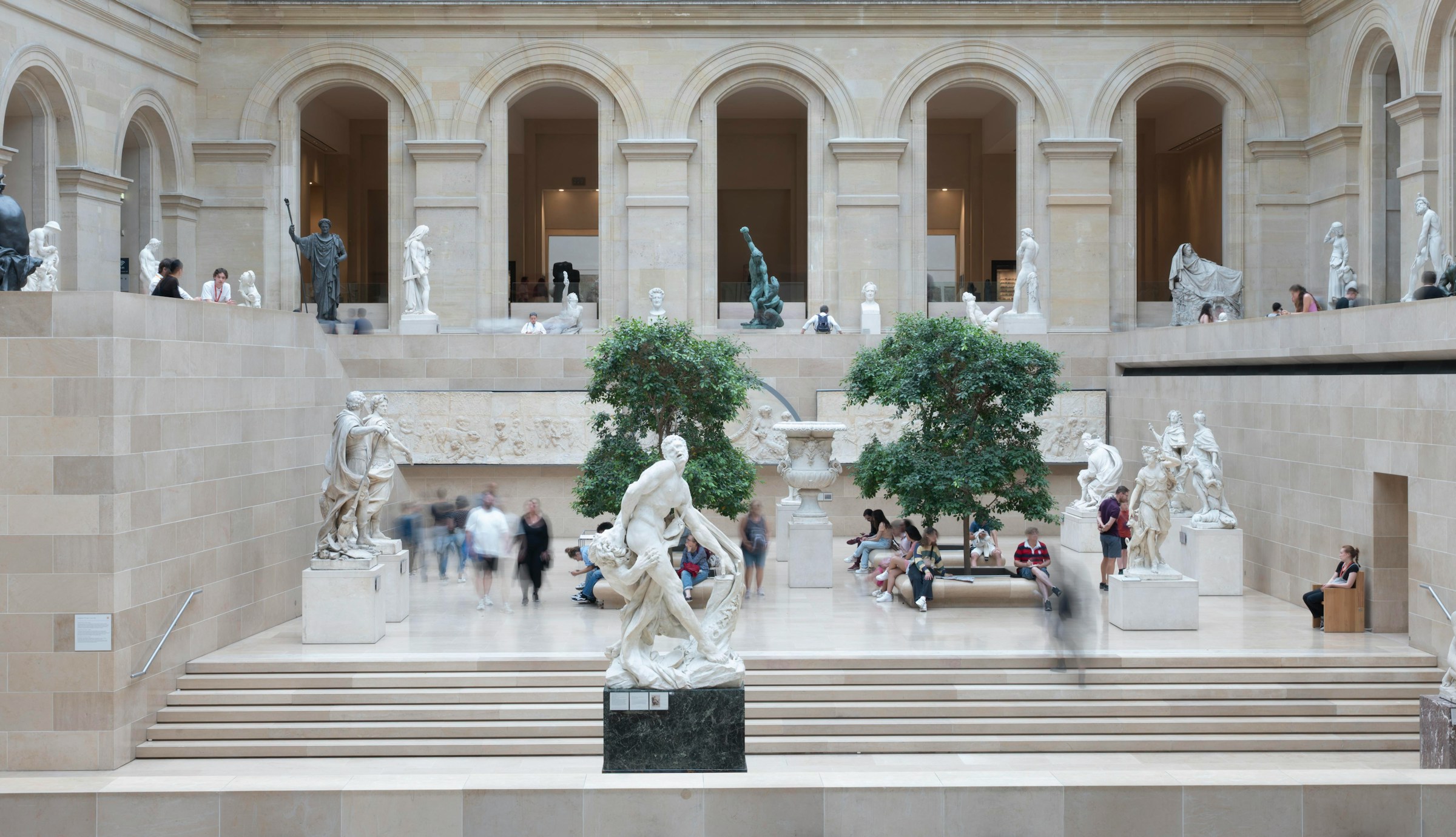
Step inside the Louvre and it’s overwhelming — vast halls, endless masterpieces — but then you catch a single painting and everything else falls away. The same happens in the Musée d’Orsay, where light floods through the giant clock windows and washes over Monet’s lilies and Van Gogh’s glowing skies. For a moment, you forget the crowds, and it feels as though the artist painted just for you.
The real joy of Paris, though, is how art spills beyond galleries. Montmartre’s cobbles echo with buskers and laughter, Sacré-Cœur gleams above, and the whole city feels like it’s breathing creativity. Dinner doesn’t just feed you; it turns into an event — a candlelit table, wine poured slowly, conversations stretching into the night.
For travelers, Paris vacation packages take away the logistics and let you sink into these moments. They weave together the famous icons — a sunset cruise under Pont Neuf, a guided walk through Montmartre — with small, secret experiences that help you feel like you’ve touched the city’s soul.
Amsterdam: Life Along the Water
From Paris, the north beckons. The train from Paris to Amsterdam makes the journey effortless, whisking you through fields stitched with villages and windmills standing stoically under wide skies. The rhythm of the rails becomes its own kind of meditation, carrying you into a new pace of life.
Amsterdam greets you with water. Its canals wind gracefully, reflecting narrow houses that tilt charmingly towards each other as if in hushed conversation. Bicycles chime past, boats glide silently, and the whole city feels alive yet unhurried.
The Rijksmuseum invites you into Rembrandt’s dramatic worlds and Vermeer’s tender, sunlit rooms. The Van Gogh Museum stirs something deeper — the raw urgency of his brushstrokes, the fragile beauty of his colours. At Anne Frank’s House, the stillness is profound, and history presses close in a way that words struggle to capture.
But Amsterdam is not only about its galleries. It’s about evenings spent in Jordaan, where the smell of apple pie drifts from cafés, and mornings at the flower market, where tulips in impossible shades spill from buckets. At dusk, lanterns flicker on bridges and ripple across the water, turning the city into a painting you don’t want to leave.

Brussels: A Crossroads of Culture
Brussels is often seen as a stopover, but linger, and you’ll see how layered it is. The Grand Place is its stage, a square framed by ornate guildhalls, each one a masterpiece in itself. At night, when lights glow across the cobbles, the whole space feels like it’s breathing history.
The city is a sensory delight. The scent of waffles hangs in the air, mingling with rich Belgian chocolate that seems to melt on your tongue before you’ve even taken a bite. And then there’s Magritte, whose surreal art fills an entire museum here. Beyond the art, Brussels hums with diversity. It’s a place where languages and ideas meet, where Europe feels both historic and forward-looking.
Beyond the Icons: Hidden Corners and Quiet Magic
Not every treasure lies in the capitals. Haarlem, close to Amsterdam, mirrors its canals but feels gentler, with quiet cafés and a slower pace.
Belgium’s smaller cities carry their own magic. Bruges feels timeless, its cobblestones winding around canals where swans glide, its medieval towers glowing at sunset. Ghent offers contrast: gothic spires rising above streets filled with students, music, and contemporary art. In both, the blend of old and new makes the cities feel alive, not frozen in time.
These smaller places invite you to pause. They remind you that culture isn’t only in museums — it’s in the rhythm of daily life.
The Human Side of Travel
What makes Western Europe unforgettable are the people and the small, ordinary moments that make you feel part of their world. In Paris, you notice how friends linger over glasses of wine long after the meal is finished. In Amsterdam, you hear the laughter of children cycling with their parents, their voices carrying lightly over the canals. In Brussels, you watch groups of friends fill a square at dusk, their conversations flowing as the city lights sparkle.
Here, culture is not something performed for visitors. It is lived every day. And when you walk through these cities — whether across a bridge, through a market, or into a gallery — you’re invited, even for a short time, to share in that rhythm.
Conclusion: A Journey to Remember
Western Europe’s cultural highlights cannot be captured only in lists of landmarks. Yes, Paris dazzles with the Louvre and the Eiffel Tower, Amsterdam enchants with canals and Rembrandt, and Brussels astonishes with its Grand Place. But what stays with you are the fleeting moments between the monuments. The way evening light gilds the Seine. The way tulips brighten a grey Amsterdam morning. The way the scent of waffles drifts across a Brussels square, mingling with the sound of laughter.
It’s an experience that settles into your senses — the taste of chocolate, the sound of bells, the shimmer of lamplight on water — and refuses to fade. Long after the trip is over, you’ll find yourself remembering not just what you saw, but how it made you feel. And that is the magic of Western Europe: it doesn’t simply stay in the past. It comes home with you, alive in every memory.
Like My Money Chronicles? Add us as a Preferred Source on Google to see more of our content in your search results.