Masterpieces of Art: Exploring the Museums of France and Italy
This is a contributed post.
Art in France and Italy doesn’t just sit behind glass; it spills into the streets, the squares, and the very air you breathe. These countries have nurtured some of the world’s greatest creative minds, and walking through their museums is like stepping into centuries of imagination. Here, every brushstroke carries history, every sculpture speaks of faith or power, and every building that houses them is itself a work of art.
Traveling between these cultural giants is more than sightseeing; it is a pilgrimage through time, where you stand in front of works that have shaped the way humanity sees beauty, religion, and itself.
France: A Nation of Artistic Treasures
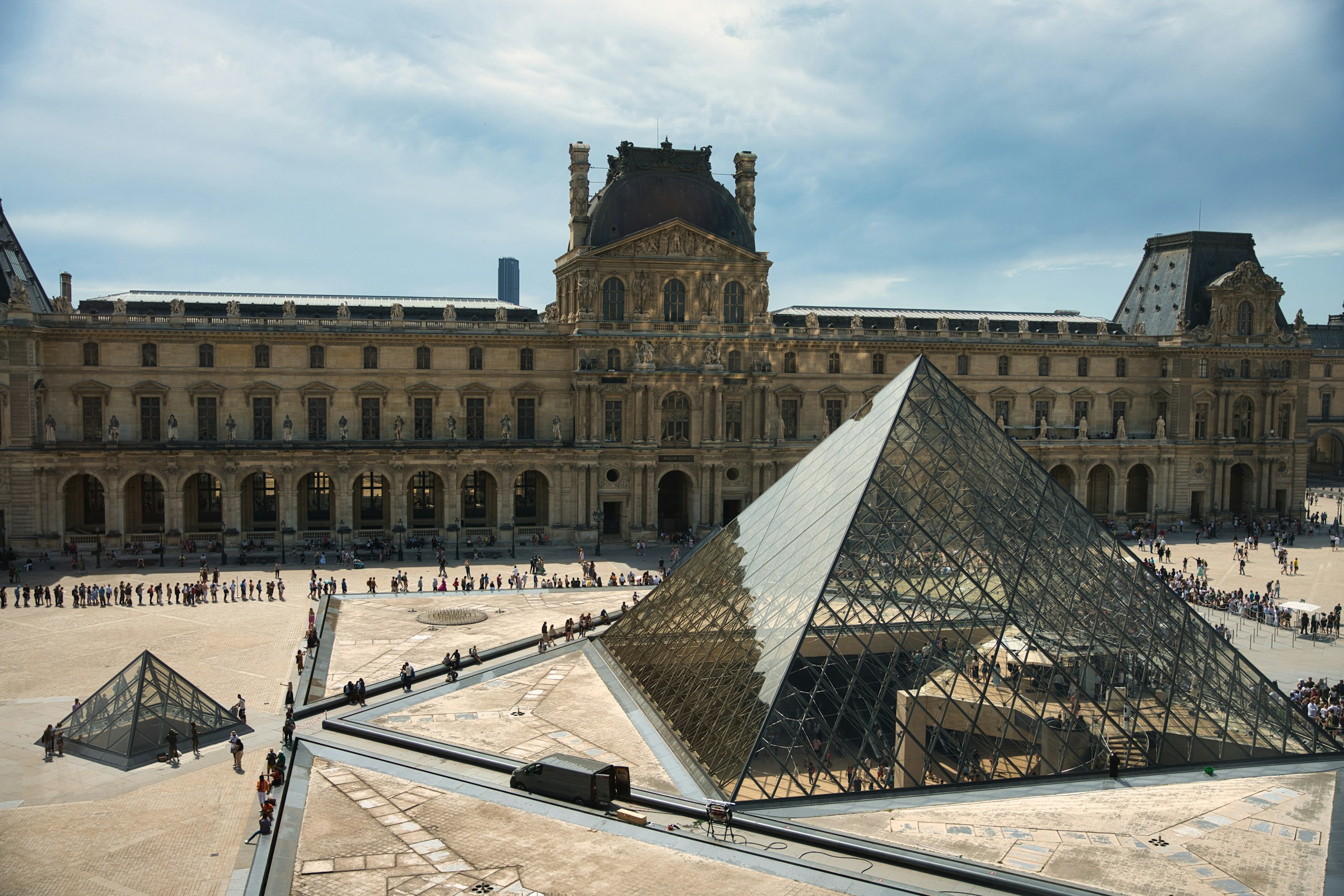
France wears its love of art proudly. The Louvre in Paris, crowned with its shimmering glass pyramid, draws millions each year. Stepping inside, you’re immediately aware of the scale: vast galleries stretching endlessly, polished stone floors echoing with footsteps, and the hushed anticipation of visitors craning to see the Mona Lisa. Yet the Louvre is more than its famous painting. It’s the way sunlight streams through windows onto ancient statues, the faint smell of waxed wood, the thrill of turning a corner to discover a forgotten masterpiece.
The Musée d’Orsay, across the Seine, feels different, lighter, more playful. Set in a converted railway station, its soaring clock windows frame Paris itself like a canvas. Standing in front of Van Gogh’s Starry Night Over the Rhône, you can almost feel the artist’s urgency in each swirl of paint. The building hums with creativity, from Monet’s shimmering lilies to Degas’ graceful dancers.
Looking ahead, France tours 2026 promise even more reasons to visit. Major museums are preparing new exhibitions and opening previously unseen collections to mark cultural milestones. Travelers will find not only their favorite icons but also hidden treasures emerging from archives, giving each visit the feeling of discovery. Before heading overseas, make sure to review this Atlanta Airport Guide for tips on navigating one of the busiest airports in the world.
Italy: The Cradle of the Renaissance
If France celebrates variety, Italy plunges you deep into the world-changing brilliance of the Renaissance. In Florence, the Uffizi Gallery is a place of hushed reverence. Standing before Botticelli’s The Birth of Venus, you hear only the shuffle of feet and the low murmur of awe. The painting glows in soft light, as though it were still fresh from the artist’s hand. Upstairs, Michelangelo’s Holy Family radiates strength, its colors bold against the quiet walls.
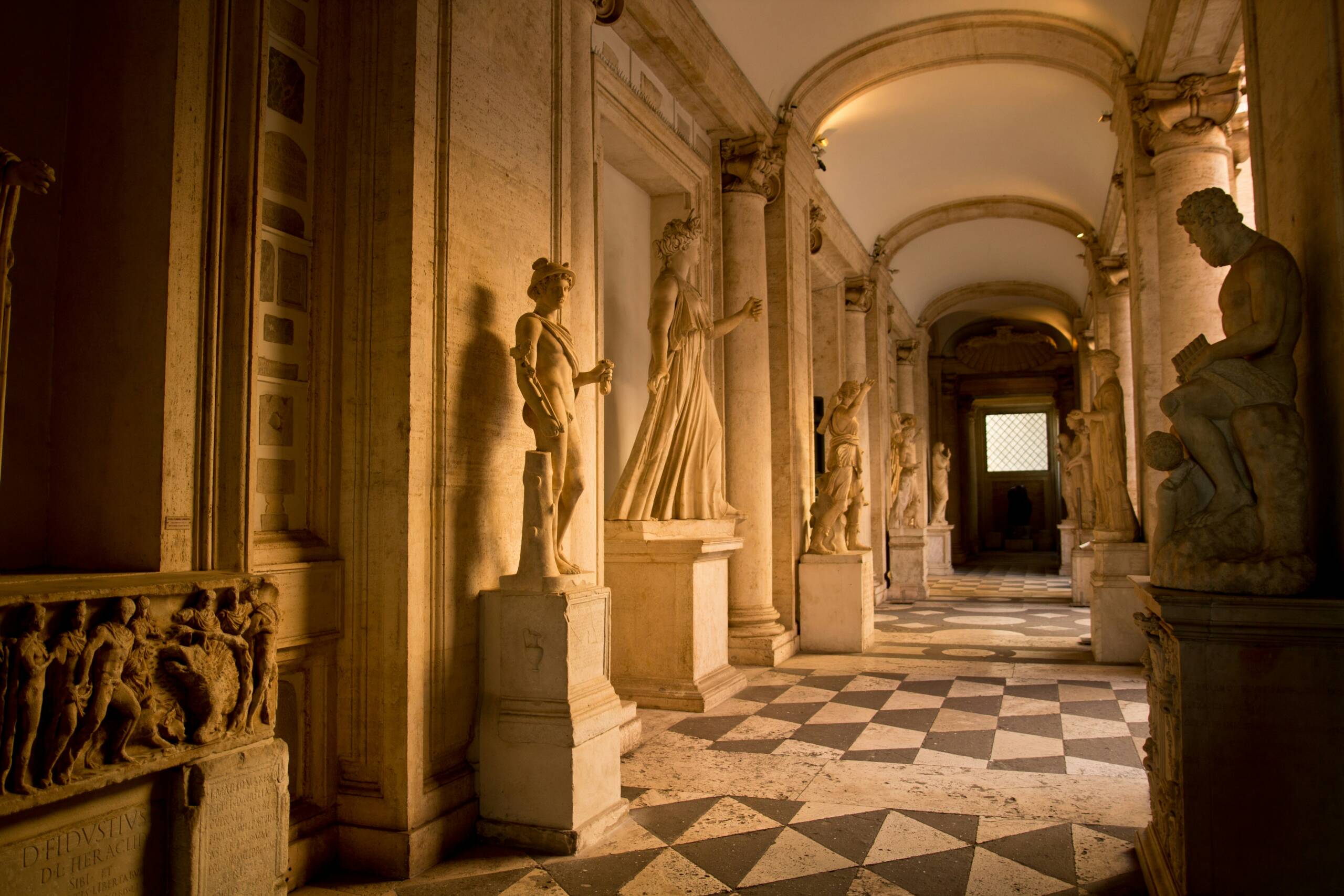
Rome’s Vatican Museums take the experience to another level. Marble corridors stretch endlessly, frescoes bloom across ceilings, and tapestries line the halls in vibrant detail. At the end, the Sistine Chapel takes your breath away. Michelangelo’s ceiling isn’t simply art, it’s an encounter. The figures twist and reach with astonishing vitality, and for a moment, you feel small beneath its grandeur, yet part of something eternal.
Travelers booking tours to Italy find the joy is not only in the great museums but in smaller encounters, too. The same can be said when exploring other destinations like Toronto, where culture and history can be found beyond the major tourist attractions. Venice’s Gallerie dell’Accademia reveals the city’s artistic soul, while Milan’s Santa Maria delle Grazie holds The Last Supper, fragile yet enduring. Each city contributes a piece of Italy’s artistic mosaic, offering something new to those willing to wander beyond the obvious.
Beyond the Icons
Yet the most moving experiences are sometimes in the quieter corners. In Paris, the Musée de l’Orangerie surrounds you with Monet’s Water Lilies, panels so vast that you feel you’ve stepped into the garden itself. Sit on one of the benches and let the colors wash over you; it is less like looking at art and more like entering a meditation.
The Musée Rodin, set in a leafy garden, offers another kind of intimacy. There, The Thinker sits among roses, its bronze surface glowing in the sunlight. Children run through the lawns, birds sing in the trees, and art feels wonderfully alive.
In Florence, the Bargello focuses on sculpture in a medieval building that seems to amplify the power of Donatello’s David. In Naples, mosaics from Pompeii bring to life the everyday, fruit, animals, lovers frozen in time, each detail a whisper from the past. These lesser-known places give you the chance to step away from crowds and connect directly with the works.
Living Cities of Art
What makes France and Italy extraordinary is how their museums spill into their cities. In Paris, stepping out of the Musée d’Orsay, you’re greeted by the sparkle of the Seine, where the light plays on the water just as the Impressionists once painted it. Street painters set up their easels on bridges, capturing scenes that have been painted countless times but always feel new.
In Florence, leaving the Uffizi, you find yourself in Piazza della Signoria. Statues stand in the open air, Neptune, Hercules, Perseus, their marble worn smooth by centuries. Art here isn’t confined indoors; it breathes in the streets, in fountains, and in the facades of palaces.
In Rome, the Vatican Museums spill into St Peter’s Square, where pilgrims and tourists alike tilt their heads back to admire Bernini’s grand embrace of columns. The line between sacred and artistic blurs, as it so often does in Italy.
Experiencing Art Beyond the Canvas
Art in France and Italy also lives in the details of daily life. The Musée des Arts Décoratifs in Paris shows how design, fashion, and craft have shaped the way people lived, while Florence’s Gucci Garden museum reminds visitors that couture can be as expressive as painting.
Even the food carries artistry. In Paris, sip wine in a Left Bank café and imagine the writers and painters who once filled the same tables. In Florence, a simple Tuscan meal after a morning at the Uffizi feels like an extension of the experience, flavours as carefully composed as brushstrokes. In Naples, pizza ovens glow like kilns, offering their own masterpieces in dough and flame.
Conclusion: A Journey Through Inspiration
To explore the museums of France and Italy is to step into conversations that stretch across centuries. The Louvre and the Uffizi, the Vatican and the Orsay, each invites you to stand not just before art but within its story. You feel the breath of the artists, the ambition of their patrons, the emotions of all those who came before you and stood in the same spot, gazing upward in wonder.
France dazzles with scale and variety, from the Louvre’s endless galleries to the quiet intimacy of the Orangerie. Italy stirs with depth and devotion, from the grand sweep of the Sistine Chapel to the intimacy of a fresco tucked into a chapel corner. Together, they create a journey that is not about checking sights off a list, but about allowing yourself to be moved. Much like a cross-country road trip, the experience becomes just as memorable as the destination itself.
And when you leave, you carry it with you, not only as photographs but as memories that feel almost tactile: the softness of oil paint beneath your gaze, the coolness of marble, the echo of footsteps on ancient floors. France and Italy remind us that art is not just something we look at; it is something we live, again and again, with every visit.
Like My Money Chronicles? Add us as a Preferred Source on Google to see more of our content in your search results.