How Atlanta Businesses Can Profit From Major Sporting Events

Atlanta is no stranger to major sporting events. We’ve hosted the Super Bowl, College Football Playoff National Championship, SEC Championship, Final Four, and plenty of other big games over the years.
Then came the 2026 World Cup.
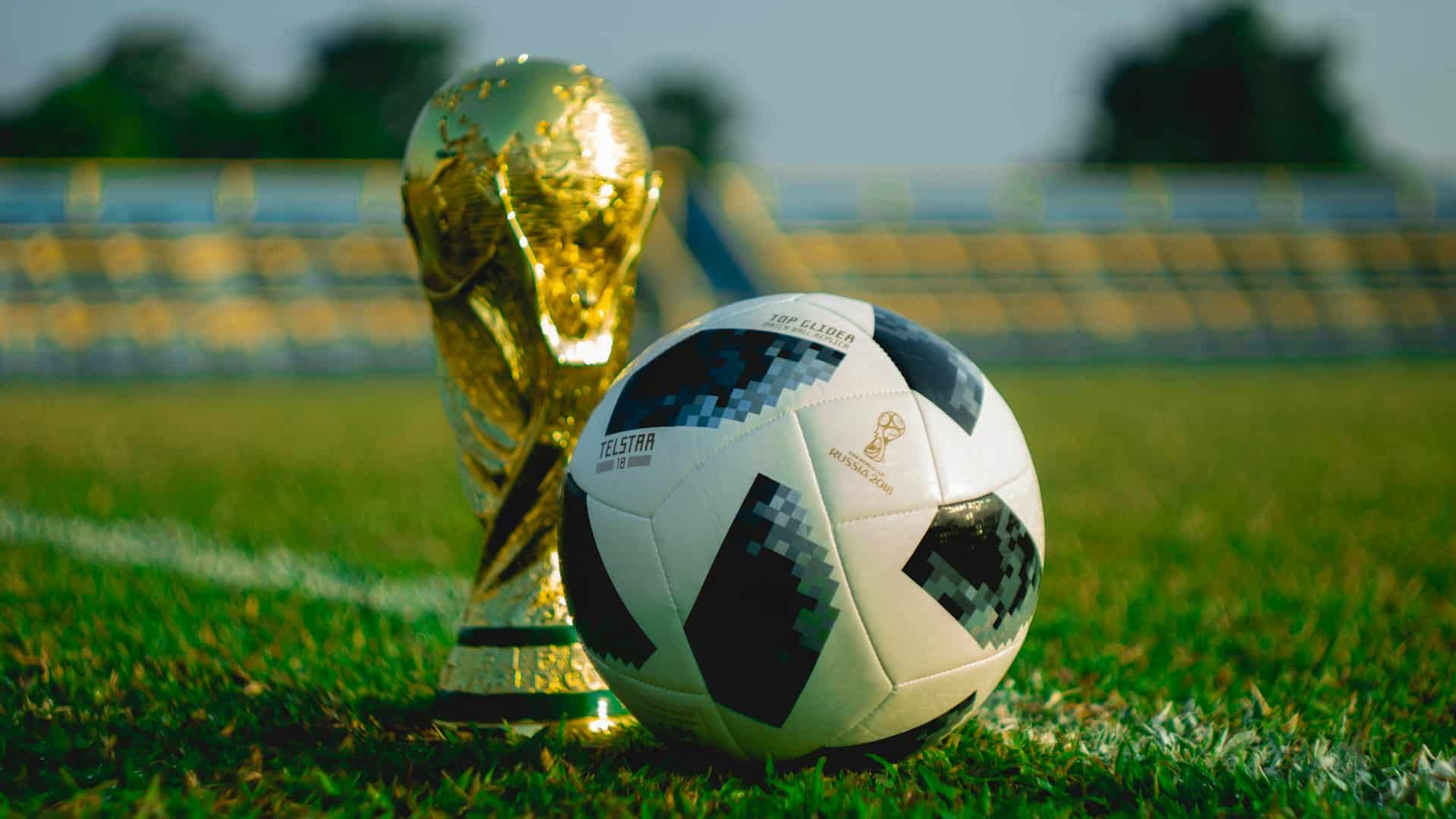
Atlanta hosted eight World Cup matches at Mercedes-Benz Stadium, including a semifinal. More than 500,000 people attended the FIFA Fan Festival at Centennial Olympic Park, and Mercedes-Benz Stadium recorded more than 544,000 fans during the eight matches.
That’s a lot of people coming into the city and spending money.
The World Cup is over, but the opportunity isn’t. This is Atlanta. Another huge sporting event will be here before you know it.
Since I live in Atlanta and regularly attend major events like Hawks and football games, I’ve seen firsthand how large sporting events increase traffic and spending across the city.
If you own a business or have a side hustle, here are some ways to take advantage of it.
Where Does the Money Go During Major Sporting Events?
People aren’t coming to Atlanta just to attend a game and immediately go home.
Many visitors make a trip out of it. That means hotels, restaurants, bars, transportation, shopping, attractions, and plenty of random purchases along the way.
Think about the last time you traveled somewhere for a few days. Even if you had a budget, you probably spent money on something you weren’t expecting.
That’s where a lot of the opportunity comes from.
The World Cup gave Atlanta several weeks of this type of activity. Other events might only give businesses a weekend, but the idea is the same.
If you want to see how sports can drive travel throughout the year, check out my Sports Events Travel Hub.
The Money Isn’t Just Around the Stadium
Spending doesn’t stay locked to the stadium. Hotel districts, transit hubs, walkable areas, and nightlife corridors end up carrying much of the foot traffic.
Time between games pushes visitors into nearby areas. Coffee shops, casual restaurants, bars, and places to sit or walk around become easy choices.
Most choices are made on the spot. Visitors pick places that are nearby, clearly open, and easy to access. Convenience shapes where money gets spent more than anything else.
We’ve seen similar opportunities during Super Bowl week. Different event, same idea. A bunch of people come into town, and businesses have a short window to get their attention.
Restaurants and Bars
Restaurants and bars are probably the most obvious winners.
People have to eat, and sports fans are going to drink.
The biggest rush usually comes before and after the event. That can mean a packed restaurant for a couple of hours instead of a steady flow of customers all day.
This is where keeping things simple can help.
A bar probably doesn’t need to introduce 15 new drinks just because there’s a big game happening. A restaurant doesn’t need a completely different menu either. A few specials make sense, but the main goal should be getting people served without everything turning into a mess.
Takeout is another opportunity. Not everybody wants to sit in a crowded restaurant before a game. Some people will grab food and take it back to their hotel or Airbnb.
And if you’re located near a MARTA station, hotel, or popular part of town, don’t assume you need to be next door to Mercedes-Benz Stadium to see extra customers.

Retail Shops
Travelers tend to buy items that solve immediate needs. Comfortable clothing, light jackets, hats, portable phone chargers, reusable water bottles, sunscreen, and small personal care items are common purchases.
These are the things people realize they forgot after they’re already here.
Atlanta merchandise is another obvious option. Shirts, hats, locally made products, snacks, and small souvenirs are easy purchases for someone who wants to take something home.
Just don’t go crazy with inventory.
Ordering a ton of merchandise because 70,000 people are going to a game doesn’t mean 70,000 people are coming into your store.
I’d rather have a little extra inventory of something that already sells than get stuck with boxes of event-related products after everybody leaves.
Service Businesses
Restaurants and retail stores aren’t the only businesses that can make extra money.
Think about everything you might need after being in a city for three or four days.
You might need a haircut. You might need somewhere to wash clothes. Your phone screen could crack. You could have several hours between checking out of your hotel and catching your flight.
That’s where businesses such as barbershops, salons, laundromats, dry cleaners, phone repair shops, and luggage storage services can benefit.
A lot of these purchases aren’t planned before the trip. Someone has a problem, pulls out their phone, and searches for a nearby business that can solve it.
Hotels and Airbnb Hosts
Hotels are going to get a lot of attention when a major event comes to Atlanta, but short-term rentals can benefit too.
Groups may want more room than a hotel offers. Others may stay outside downtown because they can save money or find a larger place.
If you’re hosting people, make things easy for them.
Clear check-in instructions, Wi-Fi information, parking details, and house rules can save everybody a headache. Someone coming into Atlanta for the first time already has enough to figure out.
Hosts should also pay attention to pricing. A major event can push rates higher, but that doesn’t mean you should pick some crazy number and assume somebody will pay it.
Look at comparable properties and pay attention to what’s actually being booked.
And if you use a cleaner, get that schedule together early. You don’t want to be scrambling for somebody at the last minute when you’ve got back-to-back guests.
Make Sure People Can Find Your Business
This is a big one.
People use Google constantly when they’re traveling.
Where’s the closest sports bar?
Who has good wings?
Where can I get breakfast?
What’s open late?
If your business information is wrong, you could lose that customer before they ever know you exist.
Check your Google Business Profile before a major event. Make sure the hours are correct. Add current pictures. Check your phone number, website, services, and categories.
Reviews matter too.
When I’m visiting another city, I’m not spending two hours researching somewhere to eat. I’m checking what’s close, looking at some reviews, and making a decision.
A lot of visitors are doing the same thing.
Work With Other Businesses
You don’t have to do everything by yourself.
If you own a coffee shop and there’s a popular bar nearby, maybe you recommend each other. A hotel can recommend restaurants. A restaurant can tell visitors about a nearby attraction.
It doesn’t need to be some complicated partnership with contracts and meetings.
A sign, QR code, discount, receipt message, or recommendation from an employee could be enough.
Visitors are already looking for suggestions. Give them one.
Side Hustlers Can Make Money Too
You don’t need to own a business to find opportunities around major events.
Delivery drivers and rideshare drivers may see more demand. Airbnb hosts may need cleaners. Businesses might need photographers, temporary workers, social media help, or someone to create promotional material.
There are also opportunities that you won’t know about until the event gets closer.
That’s why I’d start paying attention weeks or even months ahead of time instead of waiting until the weekend of the event.
If you’re looking for something you could potentially turn into extra income, my 100 Side Hustle Ideas list is a good place to start.
Don’t Forget About the Rest of Metro Atlanta
Not everybody coming to an Atlanta event stays downtown.
Some people stay near the airport. Others stay in Buckhead, Midtown, the suburbs, or wherever they can find a good deal.
Those people still spend money.
They’re buying breakfast. They’re going to grocery stores. They’re getting gas. They’re ordering food. They may want something to do before or after the game.
Businesses farther away from the stadium shouldn’t automatically assume there’s no opportunity.
Will a restaurant three blocks from Mercedes-Benz Stadium see more event traffic? Of course.
But the spending doesn’t stop there.
Don’t Overdo It
Major events can bring a lot of money into Atlanta, but businesses can also lose money trying too hard to cash in.
Overstocking is one example.
Another is bringing in too much staff based on crowds that may never reach your particular business.
And don’t wait until the last minute to prepare. If your Google listing has the wrong hours or you need extra workers, figure that out before people start arriving.
The other thing to remember is that the rush ends.
World Cup visitors eventually went home. Super Bowl visitors go home. Fans leave after championship games.
Take advantage of the temporary increase without making long-term financial decisions based on one crazy weekend.
Atlanta Will Have Another Big Event
That’s the good thing about being in Atlanta.
The World Cup was huge, but it wasn’t the first major sporting event here, and it definitely won’t be the last.
Mercedes-Benz Stadium has already hosted the Super Bowl, College Football Playoff National Championship, international soccer, and other major sporting events.
So pay attention to what’s coming.
If you run a business, make sure people can find you. Think about what visitors might need. Have enough staff and inventory without going overboard. Look for opportunities to work with businesses around you.
If you’re a side hustler, think about what problems those visitors and businesses may need solved.
You don’t have to make thousands of dollars every time Atlanta hosts something big.
But when thousands of people come into the city ready to spend money, there’s nothing wrong with figuring out how some of it can come your way.
Like My Money Chronicles? Add us as a Preferred Source on Google to see more of our content in your search results.

Jason Butler is the founder of My Money Chronicles and an SEO consultant with over a decade of blogging experience. Since 2015, he has earned income through side hustles including blogging, eBay flipping, affiliate marketing, and freelance work while paying off over $64,000 in debt. His work has been featured in Forbes, Discover, Investopedia, and Yahoo Finance.